Your Party, Your Rules: Stop Second-Guessing Your Hosting Choices
Let me paint you a picture. You've had this party idea brewing for weeks. Maybe it's a whimsical garden tea party for your best friend's birthday, or a board game night with a totally unexpected theme, or a backyard cookout with a playlist that doesn't follow any of the "expected" cookout conventions. You're excited. You start planning. And then — almost on cue — the doubts show up.
Will people think it's too weird? Is the theme too niche? What if they don't get it? Should I just do something more normal?
And just like that, the bold idea you were excited about gets quietly swapped for something safer. Something beige.
Here's what I want to say to you: Stop. Don't do it. Your original idea was probably the right one.
Where the Doubt Actually Comes From
Hosting anxiety is more common than most people admit. Planning a party means putting yourself out there — your taste, your creativity, your judgment about what other people will enjoy. That's vulnerable, even when it doesn't feel like it should be.
A lot of hosts fall into what I'd call the "approval trap" — designing a party for the imagined criticism of a hypothetical skeptic rather than for the actual people who are going to show up. They tone down the theme. They pick a safer venue. They spend money on things they don't even like because they think it's what guests expect.
The result? A party that feels like it belongs to no one in particular. And ironically, those are the events people forget fastest.
The parties people remember — the ones they talk about for years — almost always belong to a host who made specific, confident, sometimes unconventional choices. The person who turned their living room into a tiki bar. The one who sent handwritten invitations for a casual Tuesday dinner. The one who served breakfast food at a birthday party because the guest of honor loves breakfast food. Those choices stuck because they were real.
Give Yourself Permission to Be Specific
One of the most freeing things you can do as a host is get genuinely specific about what you want. Not "a fun party" — but what kind of fun. Not "nice decorations" — but which colors, which vibe, which feeling you want people to have when they walk in the door.
Specificity is not the enemy of broad appeal. It's actually the opposite. When a host has a clear, confident vision, guests feel it. They relax into it. They don't need to understand every reference or love every detail — they just need to feel like someone cared enough to make real choices.
So write it down. What does your ideal version of this party look like? What does it feel like? What do you want people to say when they leave? Start there and work backwards. That's your vision — protect it.
Handling the Skeptics (Including Yourself)
Let's be honest: sometimes the loudest skeptic in the room is you. But occasionally, it's also a family member who thinks your theme is "a little much," or a friend who asks why you're not just doing a regular dinner.
Here's a strategy that actually works: explain the why, briefly, and move on.
You don't owe anyone a full defense of your party choices, but a short, confident explanation goes a long way. "I wanted it to feel like a real celebration, not just another dinner" or "She's obsessed with this era, so we're leaning into it" is usually enough. Say it once, warmly, without hedging — and then redirect the conversation to something else. Confidence is contagious. When you're not rattled by pushback, most people will drop it and get on board.
If it's a family member who tends to have opinions about everything, set a gentle boundary early: "I've got the vision locked in — I'd love your help with [specific task] if you want to be involved." Give them a lane. People who want to be helpful usually just need direction.
Budget Constraints Are Not a Reason to Apologize
This one deserves its own section because it comes up constantly. So many hosts feel embarrassed about what they can't do — the venue they couldn't afford, the caterer they didn't hire, the floral arrangements that didn't make the cut.
Here's the truth: guests do not walk into a party and take inventory of what's missing. They respond to the energy, the warmth, and the details that are there. A carefully styled tablescape with grocery store flowers in mismatched vases can be more beautiful than a professionally arranged centerpiece, because it has personality.
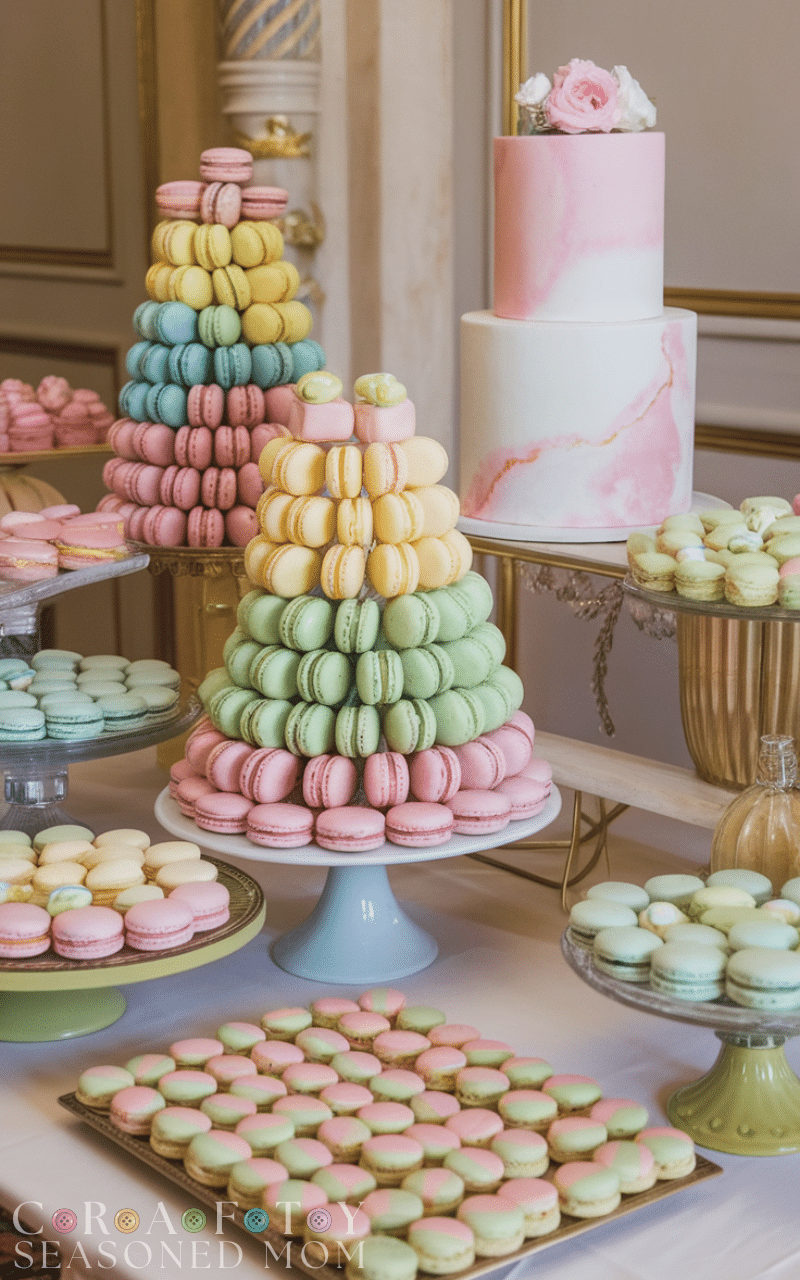
Instead of apologizing for budget limitations, redirect your energy toward doing a few things really well. One standout element — a gorgeous dessert table, a killer playlist, a signature cocktail with a great story behind it — will define the memory of the party more than a full suite of expensive rentals ever could.
You never need to say "sorry it's not fancier" to your guests. They weren't expecting fancy. They were expecting you — and your genuine effort to create something special for them.
When Your Theme Is "Too Niche"
Sometimes the worry isn't about budget — it's about whether people will "get" the theme. Maybe it's a deep-cut pop culture reference, a hyper-specific decade, or a concept that makes perfect sense in your head but feels hard to explain.
My advice? If it genuinely matters to the guest of honor or to the story you're trying to tell, commit to it fully. A theme that's executed with total commitment is almost always more fun than a crowd-pleasing idea that's done halfway.
The trick is to build in enough context that guests feel included rather than confused. A short, fun note on the invitation that sets the scene, a welcome sign that explains the vibe, or even a brief toast at the start of the evening can do a lot of the heavy lifting. You're not dumbing it down — you're being a good host by bringing people into the world you've created.
Own the Room When the Party Starts
All the planning in the world won't matter if you spend the actual party anxious and apologizing. Here's a mindset shift worth practicing: on the day of, your job is not to manage people's opinions. Your job is to be present and make your guests feel welcome.
Greet people at the door like you're thrilled they're there (because you are). Talk about the details you love — not defensively, but enthusiastically. "I found these vintage glasses at a thrift store and I'm obsessed with them" is a conversation starter, not a justification. Your excitement about the choices you made will be genuinely infectious.
And if something doesn't go perfectly? Roll with it. The ice sculpture melts. The cake leans. The playlist shuffle lands on a weird song. None of that matters as much as how you respond to it — and a host who laughs it off and keeps the energy up is a host people remember fondly.
The Takeaway
You planned this party. You thought about what your people would love, what would make the occasion feel special, what details would make someone smile when they walked in. That effort — that care — is already the most important ingredient.
So stop shrinking the vision. Stop swapping out the good idea for the safe one. Stop pre-apologizing for choices that haven't even been judged yet.
Throw the party you actually want to throw. Your guests will feel the difference — and so will you.